
Pull up a chair, turn the page, and stay awhile.
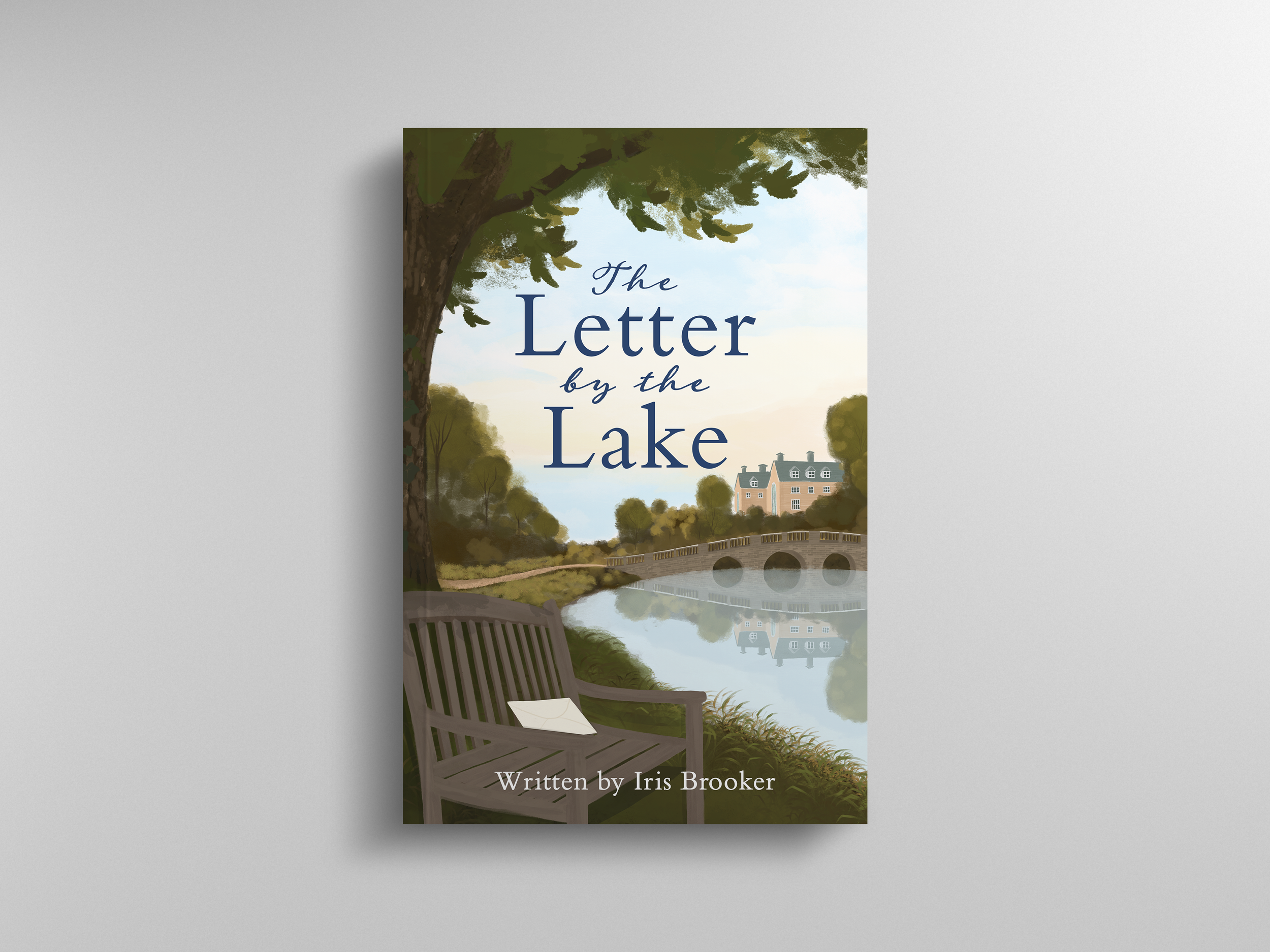
They had crossed paths before. Once on Brighton seafront. Once at a quiet tea garden.
But when writer John Mercer finally meets Victoria Berkeley at a country-house wedding, neither is prepared for what follows.
John is haunted by an unfinished novel and a life put on hold. Victoria is trapped between the future she wants and the future her family needs her to accept.
Then, beside a secluded lake, something begins between them. Something neither of them expected.
But Victoria has a choice to make — one that could save her family’s estate, cost her the life she truly wants, and take her away from John before their story has even begun.
And when John returns to the lake to find Victoria gone, there is only one thing waiting for him on the bench.
A letter. A letter that changes everything.
The Letter by the Lake is a tender story of love, duty, second chances and the courage to choose your own future.
Sometimes the person who changes your life is the one you almost never met.
Step Into the Story
The IdeaHave you ever met someone and felt an immediate connection — only to look around, take in the setting, and think, she is completely out of my league; I haven't got a chance?
And yet, somewhere in the back of your mind, you wonder: what if I’m wrong?
That is the idea at the heart of The Letter by the Lake.
It is a story about an unexpected connection between two people from very different worlds, and about that familiar moment when attraction arrives before confidence has had time to catch up.
Sometimes the person you think is beyond your reach may simply be waiting for you to take the chance.
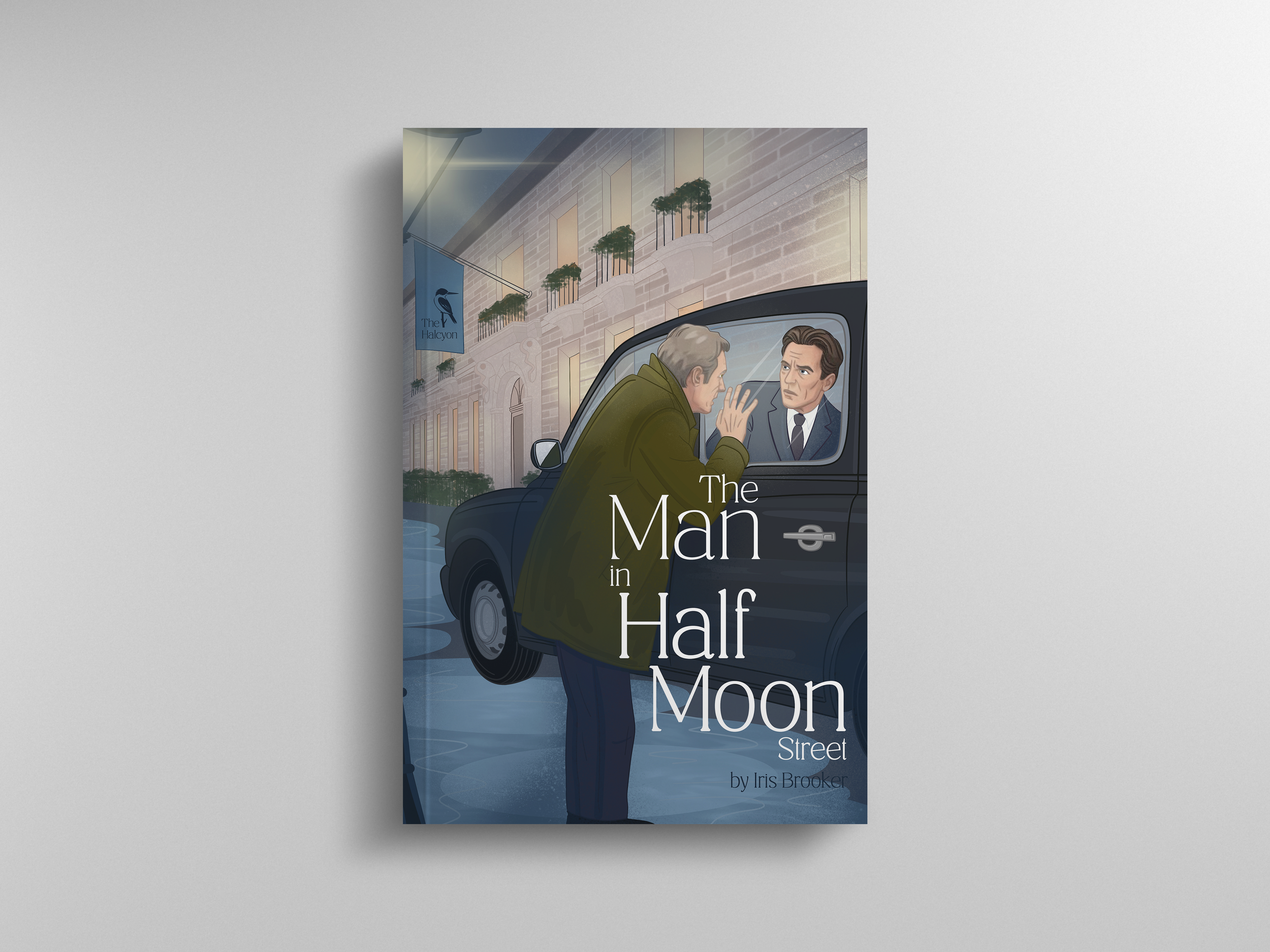
For nine months, investigative journalist Daniel Mercer has had nothing to chase but unanswered job applications.
Then, on the way to the most important interview of his life, his taxi almost hits a man running from a hotel in Half Moon Street. Daniel knows him. It is Keith Harland — his former colleague, the man who helped him investigate a powerful property developer.
There is only one problem. Keith has been dead for eleven months. The man looks straight at Daniel, calls him by name and gives him a warning: “Don’t go to the interview.”
Daniel goes anyway.
Inside Harrington Vale, the interview becomes something far more disturbing. The questions know things they should not know. His telephone may be compromised. Someone is watching his Brighton flat. And a mysterious reference — HV-4175 — keeps appearing in places it should not exist.
The deeper Daniel digs, the more impossible the truth becomes. Because somebody has discovered how to make people disappear without forging the evidence. The records are genuine. The companies are real. The professionals exist. Even the bodies are real. Only the conclusion is false.
And when someone Daniel loves is taken, the investigation becomes a race against a hidden network that does not need to invent reality. It only needs to rearrange it.
The Man in Half Moon Street is a tense psychological thriller about truth, identity and one terrifying question: If every official record says a man is dead, how do you prove he is still alive?
Every Story Has a Secret
InspirationThe inspiration for The Man in Half Moon Street comes partly from my own time working in London, particularly in Mayfair and Westminster, among organisations operating within the corridors of power.
I often found myself entering impressive yet discreet buildings hidden behind anonymous, almost faceless façades — places where from the street, you would have little idea of the influential organisations or people working behind the doors.
My own role was far less mysterious. I was simply there to provide compliance advice to senior managers within those organisations.
But those experiences stayed with me: the discreet entrances, quiet offices, security, confidentiality and the sense that an entirely different world existed behind seemingly ordinary London streets.
Years later, those memories helped inspire the atmosphere and setting of The Man in Half Moon Street — and the idea that sometimes the most interesting stories are hidden behind the doors we walk past every day.
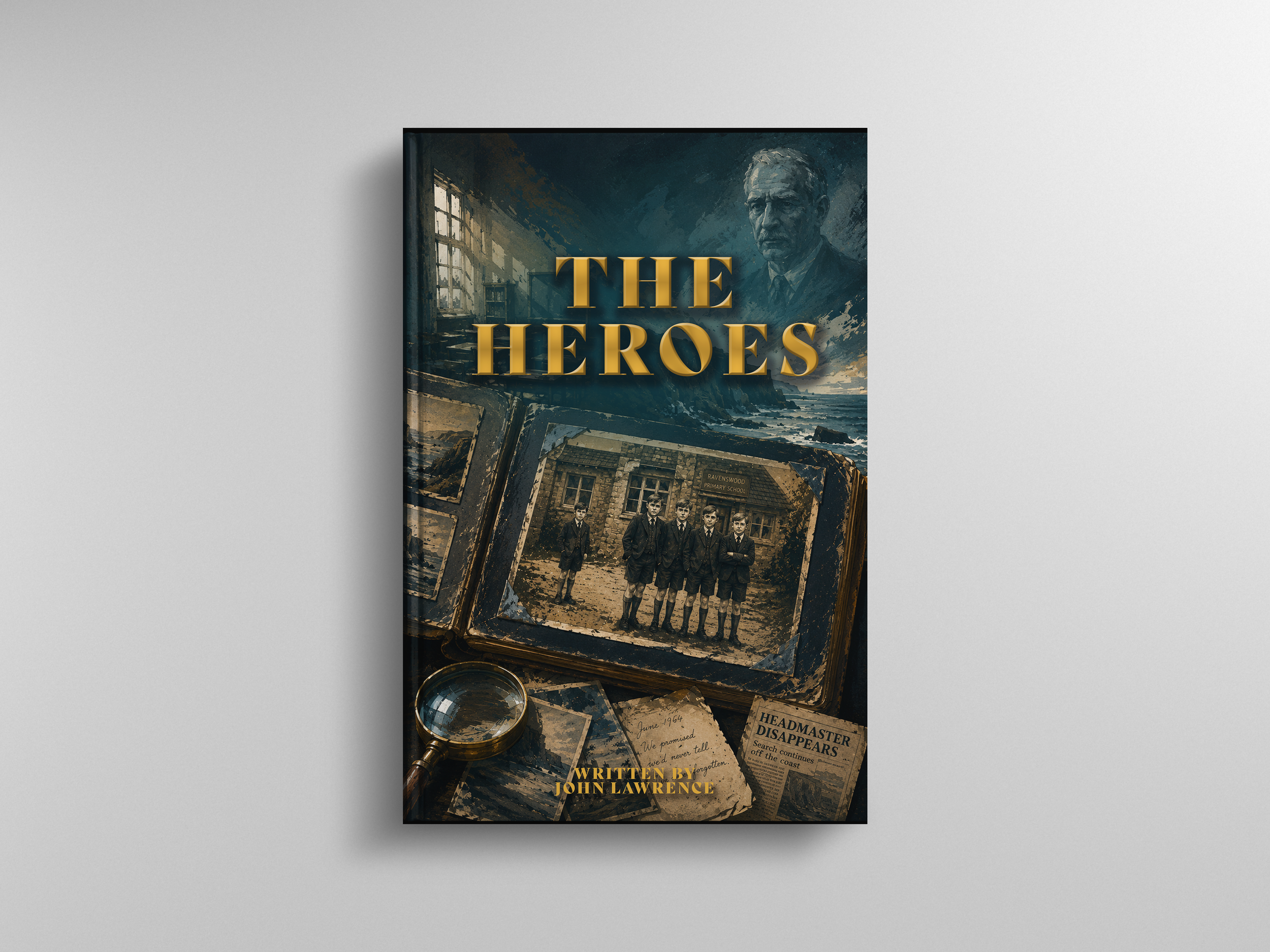
A newly revised edition of John E. Lawrence’s mystery thriller, The Heroes.
In 1968, five boys at a Sussex primary school were known as The Heroes.
Then one of them died.
On the same day, their headmaster disappeared. His car was later found at Beachy Head, but his body was never recovered.
Over fifty years later, private investigators Rosemary Bennett and Robert Fox are asked to uncover what really happened. Their only clues are an old class photograph, a cryptic handwritten note saying, "Karen. I'm sorry. Peter" and the dying boy’s final words: “The spacemen.”
As Fox and Bennett begin tracing the surviving Heroes, people start dying, old secrets surface, and a mysterious woman in motorcycle leathers shadows their every move.
What begins as a cold case for the PI duo soon develops into a dangerous conspiracy involving classified research, intelligence services and events buried since 1968.
Because the children saw something they were never meant to see.
And someone is still prepared to kill to keep it hidden.
Where the story begins
The InspirationThe inspiration for this book began when I came across an old picture book, put together in the form of a scrapbook. Turning those pages brought back vivid memories of my own primary school days and of a school that played an important part in giving me a firm and happy foundation for the education that followed.
Interestingly, the school portrayed in the story is very different from the one I remember. My own experience was an absolute joy, and the headmaster I knew was certainly nothing like the darker figure at the heart of this fictional mystery. That contrast gave me the idea of taking a familiar and cherished childhood setting and asking: what if something far more sinister had been hidden behind those school gates?
The scrapbook itself became an important thread within the story, holding photographs, memories and clues from a past that refuses to remain forgotten. From that simple discovery grew a mystery about a vanished headmaster, the unexplained death of eight-year-old Derek Sargeant and his haunting final words: “the spacemen.”
More than fifty years later, Rosemary Bennett begins asking the questions that others would rather leave unanswered.
The past has waited long enough. Now it wants to be found.